
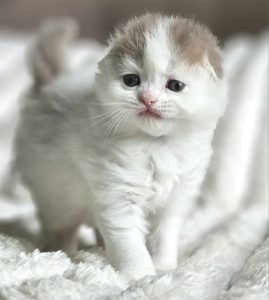
Scottish Fold kittens are known for their sweet personalities and adorable folded ears — but sometimes new owners notice that a kitten’s tail feels firmer or less flexible for a period of time.
This can be concerning if you’ve never owned a Fold before, but in the majority of cases, tail firmness is:
Here is a clear, expert explanation of why this happens — and why responsible breeding greatly reduces risks.
The famous folded ears of Scottish Folds are caused by the Fd gene, which affects cartilage softness. While the main impact is on the ears, this same gene can also have mild influence on cartilage throughout the body:
This is not a disease. It is simply how the breed develops.
During rapid growth phases, kittens often experience:
Approximately 70% of Scottish Fold kittens go through this developmental stage. Most improve naturally with time, movement, and proper nutrition.
Cartilage is living tissue, and it responds to diet quality.
A high-quality, species-appropriate diet helps ensure healthy cartilage formation.
Supplements that support cartilage health:
Glucosamine + Chondroitin — promotes strong, healthy cartilage
Omega-3 fatty acids (EPA/DHA) — reduces inflammation, improves flexibility
Taurine — essential for healthy development
Quality animal protein — the foundation of bone and cartilage
Proper calcium-phosphorus ratio — balanced skeletal growth
When kittens are fed well, tails generally remain soft and flexible as they mature.
Every major feline registry (TICA, CFA, WCF, ICU, LCWW) agrees:
Never breed Fold × Fold
This combination drastically increases the risk of skeletal and cartilage issues.
Always breed Fold × Straight
This is the correct breeding method that supports:
At BestOfTheBest Cattery, we strictly follow this rule.
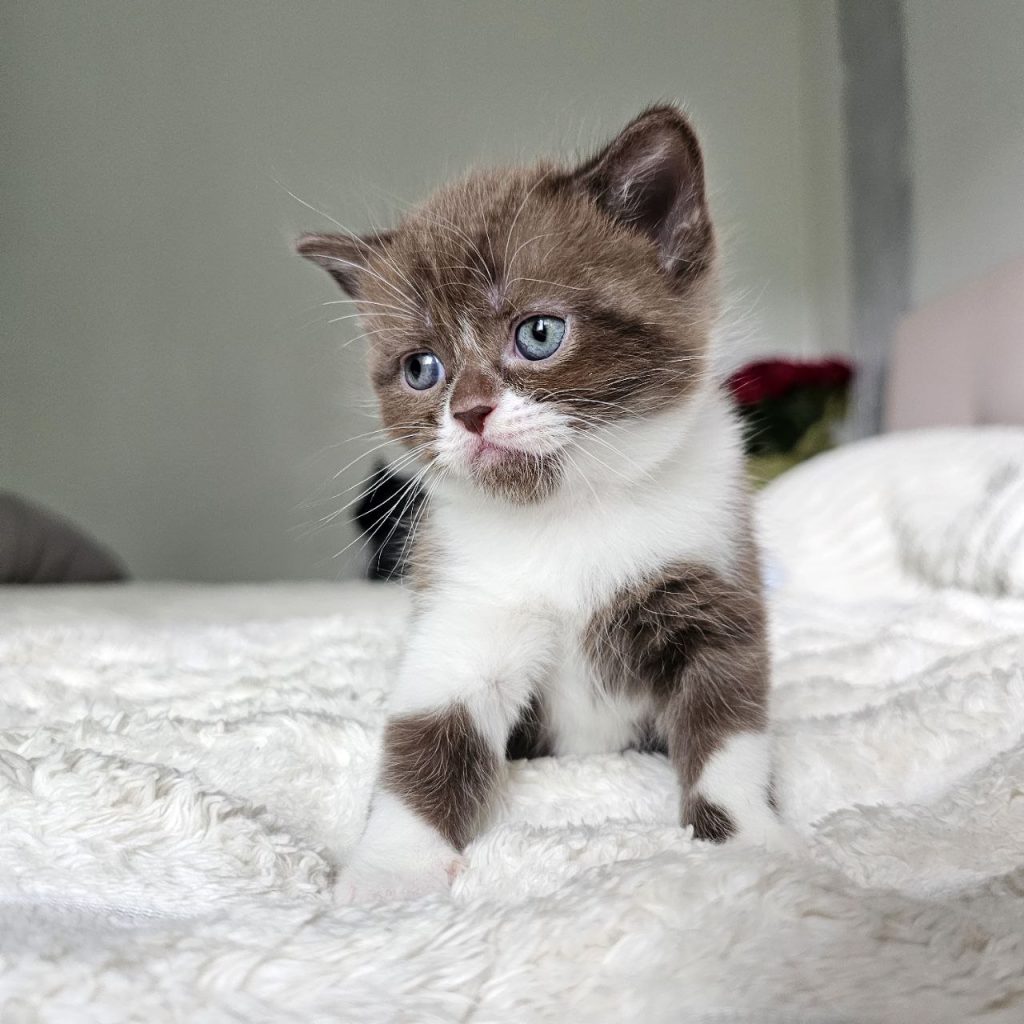
Producing healthy Scottish Fold kittens requires knowledge, testing, and careful selection. Here’s what a professional cattery does:
Screens for inherited conditions that could influence bone or cartilage.
However:
Genetic tests cannot fully predict cartilage variations — growth, metabolism, and nutrition also play roles. But responsible testing greatly reduces risks.
Only breeding adults with soft, even, flexible tails are used for Fold lines.
Healthy mothers and fathers produce stronger, healthier kittens.
A well-selected lineage provides excellent joint quality and long-term health.
This is the difference between backyard breeders and ethical catteries.
Your Scottish Fold is healthy, well-bred, and cared for by professionals who understand the breed deeply.