Understanding the Scottish Fold Health: Fd Gene, Tail Stiffnes, DNA Testing, and Osteochondrodysplasia!
The Scottish Fold is one of the most enchanting cat breeds, beloved for its unique folded ears and expressive eyes. But behind this charming appearance lies a genetic trait that requires careful understanding and responsible breeding practices.
The Fd Gene: What It Is and How It Works
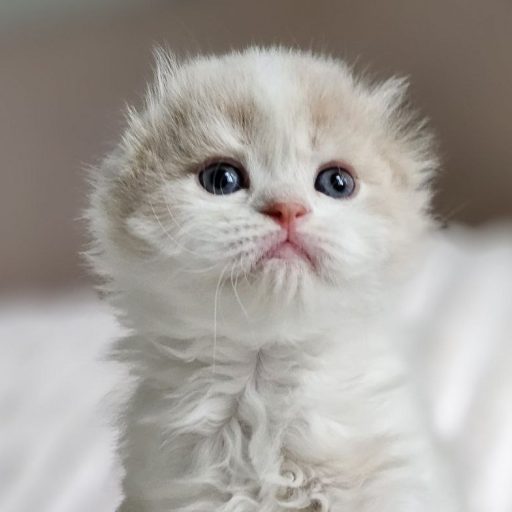
The folded ear of a Scottish Fold is caused by a single dominant gene called Fd, which affects cartilage development throughout the body. This means the ears, tail, and limbs can all be influenced.
One copy of Fd (N/Fd): The cat develops folded ears and may have mild skeletal issues.
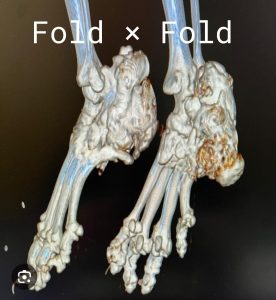
Two copies of Fd (Fd/Fd): High risk of severe skeletal problems, including stiff tails, shortened tail segments, and joint issues.
No copies (N/N): Straight ears; no risk from the Fd gene.
Tail Health: Stiff, Short, or Flexible?
Tail Health: Stiff, Short, or Flexible?
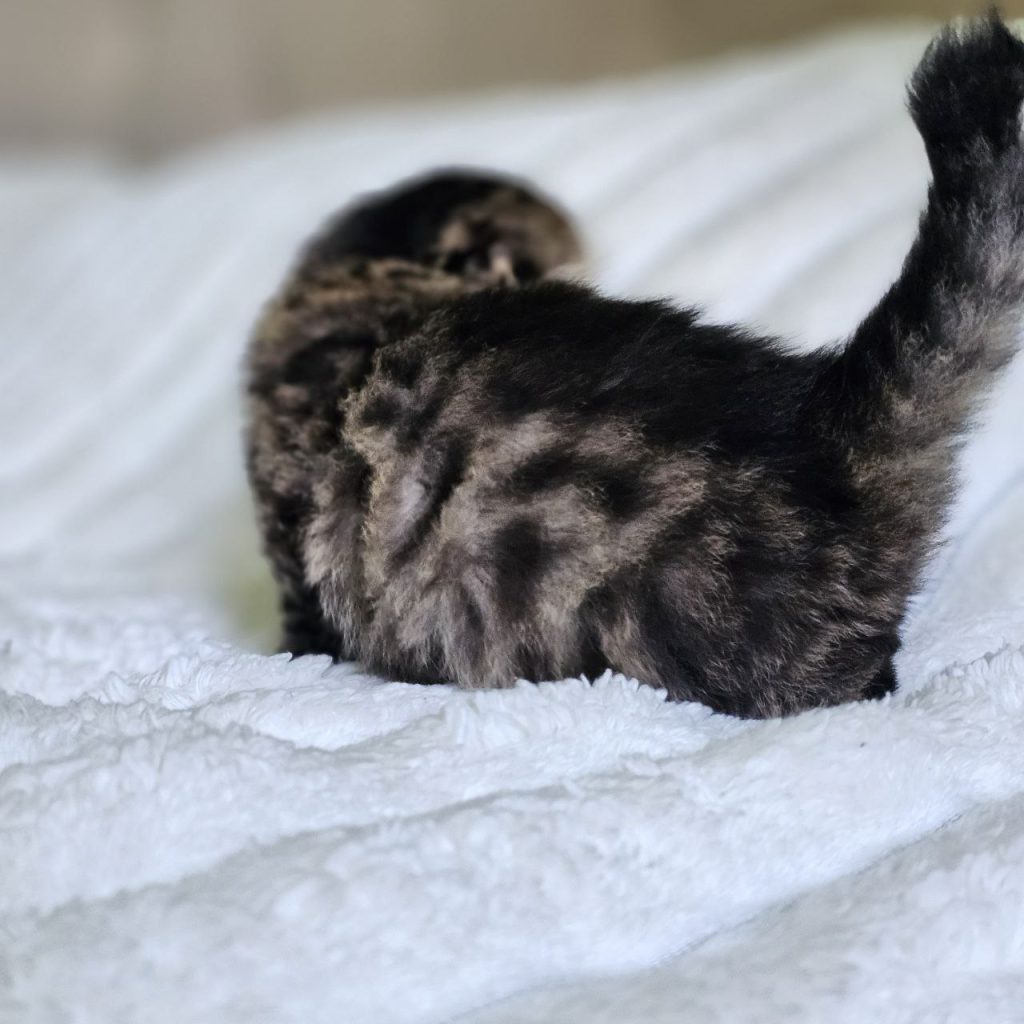
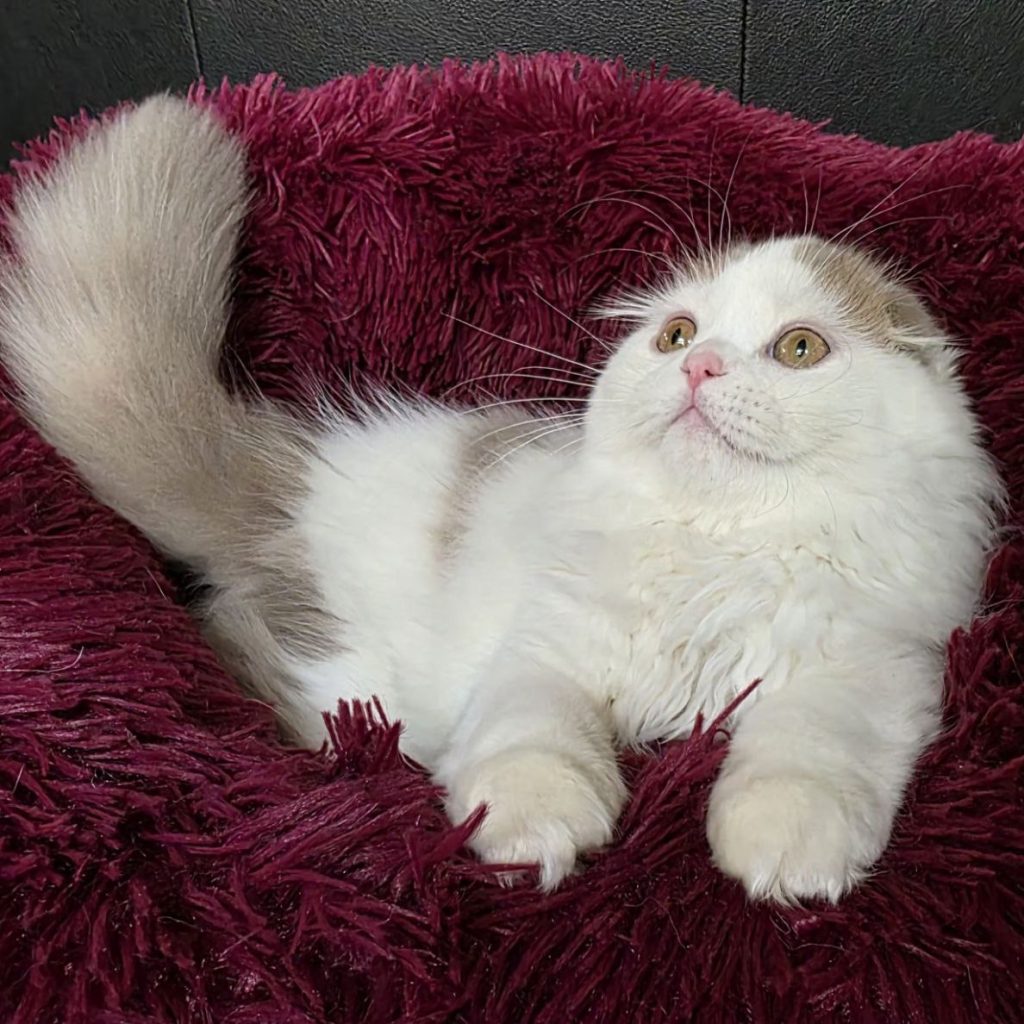
A Scottish Fold’s tail can reflect the impact of the Fd gene:
Stiff or shortened tails are common in cats with one or two copies of the gene.
Kittens with two copies are especially prone to inflexible tails and skeletal deformities.
Monitoring tail flexibility and overall mobility is important in young cats, as early signs of osteochondrodysplasia can appear by 3–6 months of age.
- We carefully select breeding cats with healthy, flexible tails, but we cannot guarantee that every kitten will inherit the same tail flexibility. Each kitten is genetically unique, and the Fd gene can affect individuals differently.
Osteochondrodysplasia (OCD) is Scottish Fold Cats
A Scottish Fold’s tail can reflect the impact of the Fd gene:
Stiff or shortened tails are common in cats with one or two copies of the gene.
Kittens with two copies are especially prone to inflexible tails and skeletal deformities.
Monitoring tail flexibility and overall mobility is important in young cats, as early signs of Osteochondrodysplasia can appear by 3–6 months of age.
It’s important to note that we carefully select breeding cats with healthy, flexible tails, but we cannot guarantee that every kitten will inherit the same tail flexibility. Each kitten is genetically unique, and the Fd gene can affect individuals differently.
DNA Testing: A Critical Tool for Responsible Breeding
DNA testing helps breeders identify carriers of the Fd gene and make safer pairing decisions:
Avoid Fd/Fd matings to reduce severe skeletal problems.
Breed Fold × Straight-eared cats to produce kittens with a single copy of the gene and lower risk.
Test all breeding cats with reputable labs such as UC Davis Veterinary Genetics Laboratory.
Breeding for Better Tails
While we cannot guarantee tail length or flexibility, pairing a folded-ear Scottish Fold with a straight-eared cat that has a long, healthy tail can improve the likelihood of stronger cartilage and better tail health in kittens. Straight-eared British Shorthairs or American Shorthairs are often good choices because of their robust bone and cartilage structure.
Our Commitment to Responsible Breeding
At BestOfTheBest Scottish Cattery, we prioritize the health, well-being, and comfort of every cat. We carefully select breeding cats, monitor kittens closely, and provide guidance to new owners. While genetics can never be completely controlled, our focus on ethical breeding, DNA testing, and careful pairing helps us reduce risks associated with Osteochondrodysplasia and maintain the unique charm of the Scottish Fold.
Conclusion
Scottish Folds are beautiful and loving companions, but their signature folded ears come with genetic responsibilities. Understanding the Fd gene, tail health, Osteochondrodysplasia, and the role of DNA testing empowers breeders and owners to make informed, ethical choices for the cats they care for. By breeding responsibly, monitoring health, and educating owners, we ensure that Scottish Folds can thrive as happy, well-adjusted pets.